
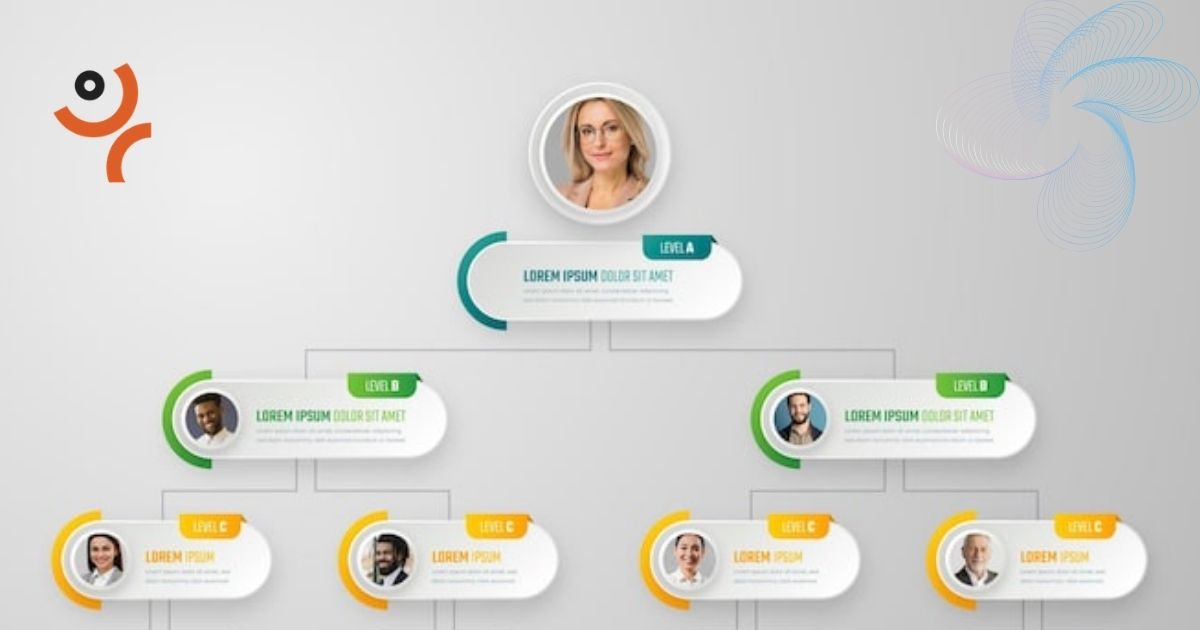
Designing a corporate organogram is not just about drawing lines on a piece of paper. It is about mapping the nervous system of your business.
In our work at Traction Outsourcing Limited, we often see businesses that function like a series of busy hallways where everyone runs into everyone else, but nobody knows who owns the final outcome. A clear organogram solves this by turning chaos into intentional order. When your team members know exactly where they fit and who they answer to, you stop paying for overlapping roles and start paying for clear results.
Step 1: Audit Your Operational Reality
Do not start by drawing a dream team that you hope to hire next year. Start by writing down every task your business completes today. Who manages the daily finances? Who handles client communication? Who makes the final decision when a project stalls? Map the functions that currently exist. If you find that one person is doing the work of three departments, that is your first insight. An organogram must reflect the actual flow of work, not just the desired aesthetic.
Step 2: Group Functions by Impact
Once you have your list of tasks, group them into core departments. Most growing businesses in Nigeria thrive when they separate these four pillars:
- Operations: The people who build, maintain, or deliver the core product or service.
- Finance & Administration: The gatekeepers of the budget, legal compliance, and internal office stability.
- Growth & Sales: The engine responsible for new revenue and client relationships.
- Talent & Culture: The team that ensures the right people are in the right seats and that the workplace remains a place where people want to stay.
Step 3: Define Reporting Lines and Authority
This is where most structures fail. You must decide if your culture is top-down or collaborative. For a small business, a flat structure might work. As you scale, you need vertical accountability. Every person must have one clear supervisor. If an employee reports to two managers, you have created a bottleneck where decisions go to die.
Step 4: Keep It Scalable
Build your organogram to be modular. If you are a startup, you might have one person acting as both the Sales Lead and the Customer Support Manager. That is fine. Just ensure the organogram shows these as two distinct functional boxes even if one person occupies both. This way, when the time comes to hire, you simply slice the role in half and bring on a new person to take over the support function.
Consider This Example: A Real Estate Company
Imagine you work with a young real estate management firm. You might organize it this way: the Director sits at the top, and underneath, three primary leads carry the business.
Sample Organogram for a Real Estate Management Firm
If you are just starting, you might be all three leads. You draw the boxes for all three, but you write your own name in each. As the business grows, you hire a person for each box. The structure stays the same, but the burden on your personal capacity decreases.
Review It Like You Mean It
Review your organogram from time to time, usually every six months or annually. Remove the friction, clarify the reporting, and give your people the space to execute their roles and achieve their targets with brutal execution.
This Is a Functional Organogram
What has been described above is known as a functional organogram. There are three other types, hierarchical, flat, and matrix, however every business between zero and three years old should focus on the functional organogram. During this stage of your company's growth, you want to improve employee effectiveness at work, efficiency at handling tasks, and job satisfaction. You want to lay less emphasis on who wields what authority and more on who gets what done.
If you have not yet registered the business itself, start there first. Read our guide on how to register a company in Nigeria before you build the organogram, the structure works best once the entity behind it legally exists.